
This Las Vegas relocation guide covers the process from the initial virtual tour to the final walkthrough. It highlights the essential steps for when you cannot attend in person.
Buying a house in Las Vegas from out of state requires more than scrolling through listing photos and choosing a property that looks good online. The process works best when you have someone on the ground who can show you the details, surroundings, and potential problems that photos may leave out.
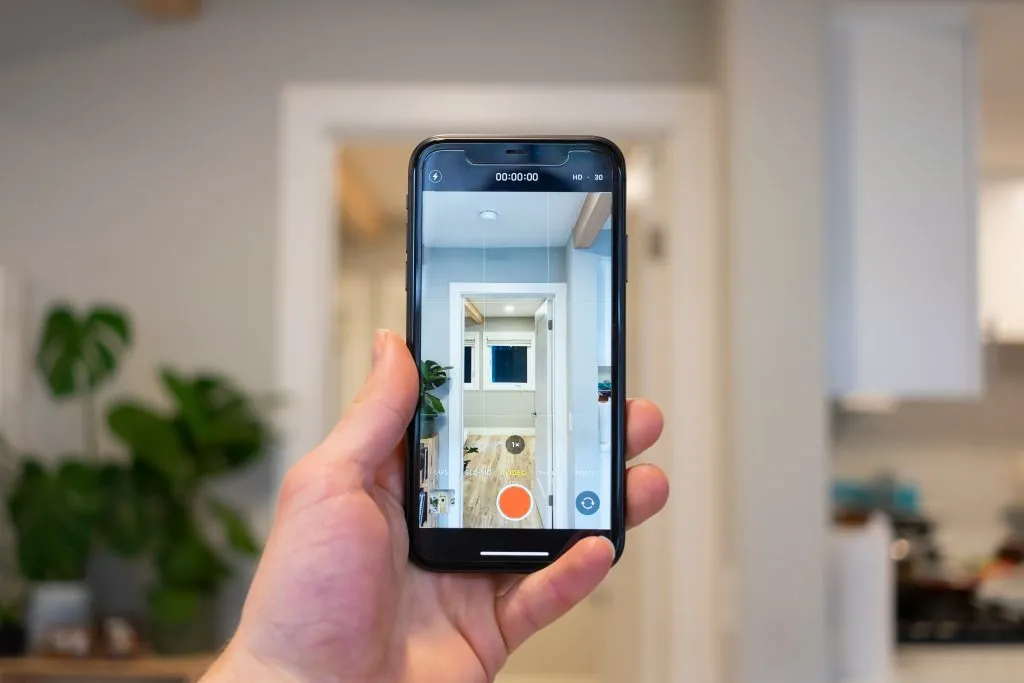
Agents curate listing photos to present a home at its best. Wide-angle lenses can make rooms appear larger, lighting can hide wear, and carefully chosen camera angles may leave out less attractive parts of the property.
A raw video walkthrough or live FaceTime tour gives you a much more realistic look. When buying a home in Las Vegas remotely, you should be able to see the floors, walls, fixtures, exterior, and other details without filters or editing.
The neighborhood deserves the same attention. A good neighborhood audit should show the street, nearby homes, traffic, parked vehicles, commercial areas, noise, and anything else that could affect daily life. If you are moving to Las Vegas for work or school, proximity to freeways, employment centers, and other priorities may matter just as much as the house.
A raw condition audit focuses on what listing photos do not show. That can include water stains, chipped paint, damaged flooring, worn finishes, or signs that certain areas may need attention.
The purpose is not to make a home look bad. It is to make sure you understand what you are buying before you move forward. A detailed walkthrough can help reduce the chance of arriving in Las Vegas and discovering problems you did not expect.
Once you find the right property, the next step is deciding what to offer. That begins with a pricing analysis to determine whether the asking price makes sense based on the home, neighborhood, and recent comparable sales.
From there, your agent can help develop an offer strategy based on your budget, goals, competition, and current market conditions. Electronic signing lets you complete most documents, keeping the transaction moving without requiring you to travel.
For anyone buying a house in Las Vegas from out of state, understanding the contract timeline is especially important. Las Vegas transactions can move quickly, so knowing the deadlines from the beginning helps you stay prepared.
Once the seller accepts your offer, you normally submit an earnest money deposit to the title and escrow company within the timeline stated in your contract. The amount varies depending on the purchase price and negotiated terms.
That deposit is generally credited toward your funds due at closing. Buyers typically wire funds, so always confirm wiring instructions directly with the title or escrow company before sending funds. Wire fraud remains a serious concern in real estate transactions.
The due diligence period gives buyers time to investigate the property after going under contract. Buyers may use this period for inspections, repair negotiations, document review, and other evaluations, depending on the agreement.
For buyers moving to Las Vegas from another state, this can also be a good time to visit the property in person if possible. If something significant comes up, your options will depend on the contingencies and deadlines written into your contract.
This is why it is important to understand every contingency before signing. Your agent should explain the dates, protections, and decisions you may need to make during the transaction.
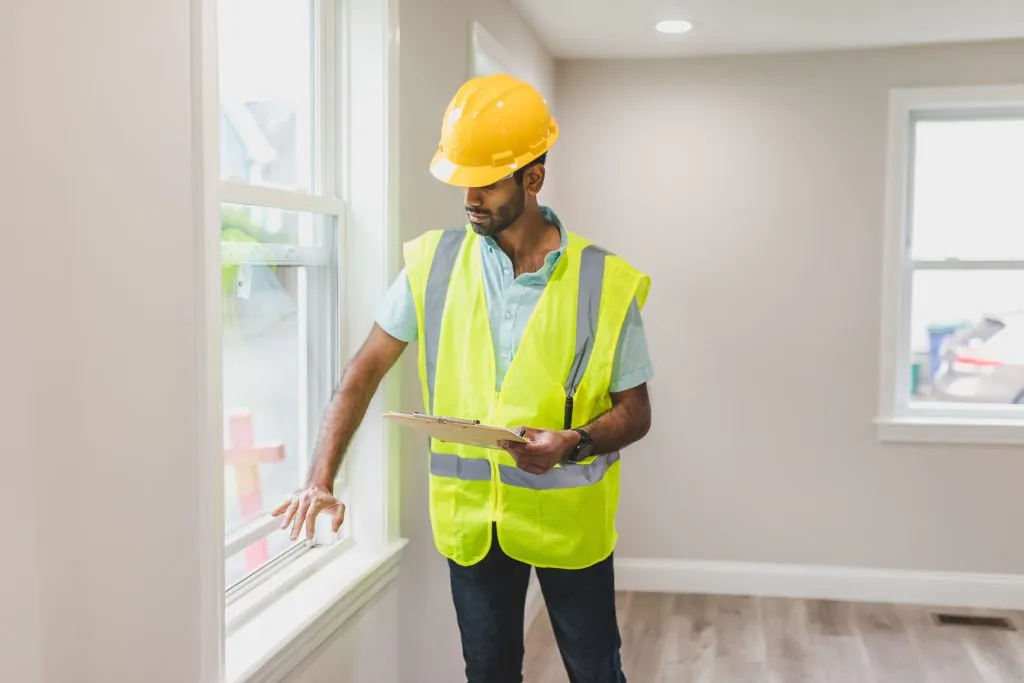
You can complete the inspection process even if you are not physically in Las Vegas. Your agent can provide several inspection company options so you can compare services, reviews, and pricing before choosing one.
During the inspection, the agent can meet the inspector at the property and review the findings. You may also be able to join by video call, ask questions, and hear directly from the inspector about anything that needs attention.
You must request repairs or credits within the contract’s deadlines.
Other contingencies can protect you after the initial due diligence period ends, depending on how you write your offer. These can include appraisal and financing contingencies.
Homes in an HOA may also involve a separate document review period. Buyers typically receive HOA documents and have a specified amount of time to review the rules, fees, and restrictions before deciding whether to proceed.
A Las Vegas relocation guide should never treat these protections as automatic. The exact rights and deadlines depend on the purchase agreement, financing, HOA documents, and other details of the transaction.
Before closing, a final walkthrough is typically completed to confirm that the property remains in the expected condition and that agreed-upon repairs have been addressed. For remote buyers, this can be done through a live video call or recorded walkthrough.
If you are financing the purchase, the title and escrow company may arrange a mobile notary to bring the closing documents to you. Cash buyers may have additional electronic signing options depending on the transaction.
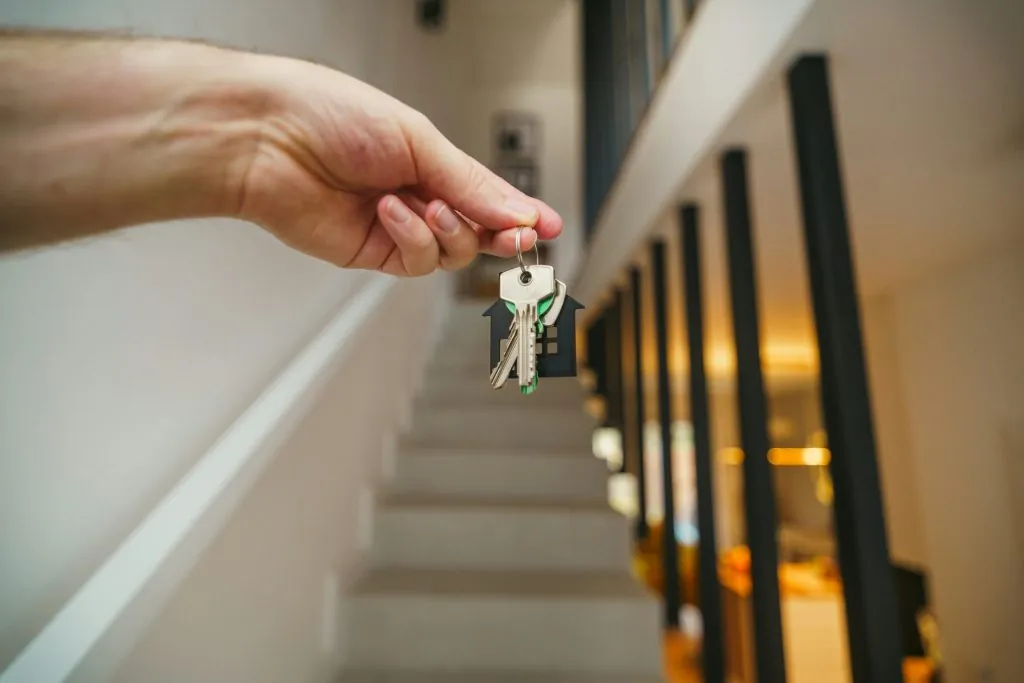
Once the required funds are received and the sale is recorded, the property officially changes ownership. Keys can then be arranged for pickup or secured until you arrive.
Buying a home in Las Vegas from another state can seem complicated, but the process becomes much easier when every step is handled carefully. From honest virtual tours to inspections, contract protections, and remote closing, the goal is to give you enough information to make confident decisions without being physically present. If you are considering moving to Las Vegas, a structured remote-buying process can help you focus on finding the right home rather than worrying about the distance.