
For buyers looking to invest in real estate in Las Vegas, the strategy has become more selective in 2026. Interest rates are in the mid-6% range, and home prices remain steady. Many investors look beyond immediate cash flow and focus on financing, builder incentives, location, and long-term appreciation.
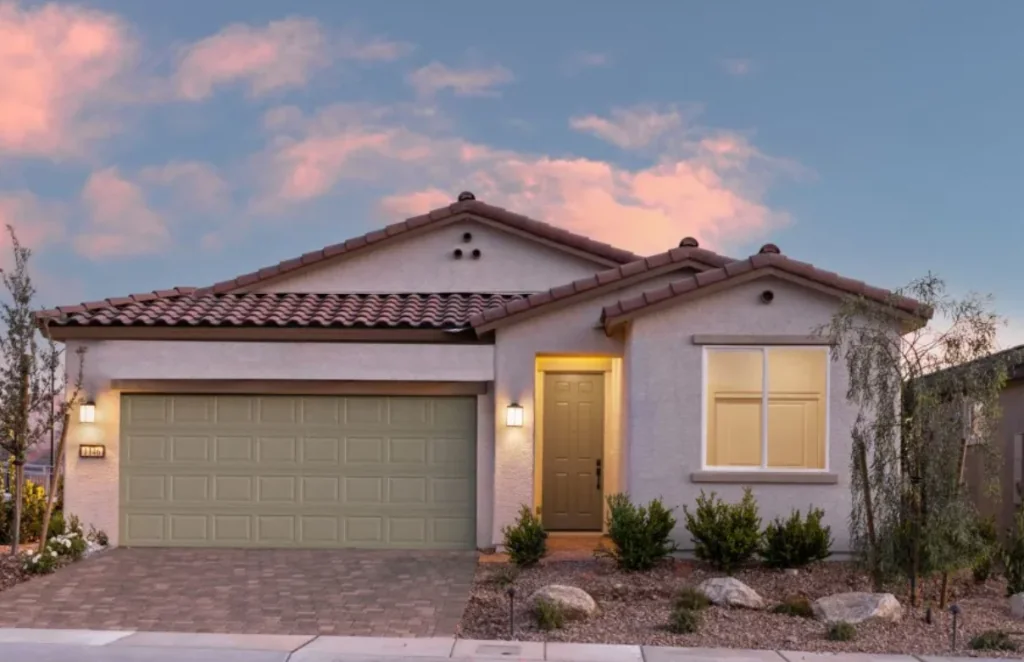
New construction was not always the obvious choice for real estate investors. Historically, buyers often paid a premium for a brand-new home, while existing properties could offer a lower entry price and stronger immediate rental numbers.
That strategy is changing.
As demand has slowed, some national builders have become more aggressive with available inventory and spec homes. Instead of simply reducing prices, builders may offer a combination of incentives that can change the overall cost of purchasing a property.
These incentives can include interest rate buydowns, closing-cost assistance, price reductions, appliances, and other concessions. Lenders are making some financing incentives, traditionally marketed mainly toward primary-home buyers, available to investors in certain communities.
For buyers who want to invest in real estate through Las Vegas new construction homes, that makes it important to look beyond the advertised purchase price. A builder offering favorable financing or covering part of the closing costs could make one property more attractive than another home with a slightly lower list price.
The broader strategy is also changing. Rather than choosing a Las Vegas investment property solely because it produces the highest immediate cash flow, some investors are prioritizing areas where they believe future development could support long-term appreciation.
A recent transaction in Southwest Las Vegas shows how the numbers can come together.
The seller originally listed the home at $525,000. The investor negotiated the purchase price down by $12,000, bringing it to about $513,000. The investor also secured a 5.3% interest rate, received 2% toward closing costs from the builder, and had the appliances included.
Those incentives changed the economics of the purchase considerably compared with simply paying the original asking price with standard financing.
Location also played an important role. The property sits near Blue Diamond Road in Southwest Las Vegas, an area experiencing continued residential and commercial development. The buyer was not simply searching for the cheapest available property. The goal was to purchase in an established part of the valley with additional growth still ahead.
For anyone planning to invest in real estate, representation can also make a meaningful difference. Builder sales representatives work for the builder, while an independent real estate professional can help the investor evaluate incentives, negotiate terms, compare communities, and assess the transaction from the buyer’s perspective.
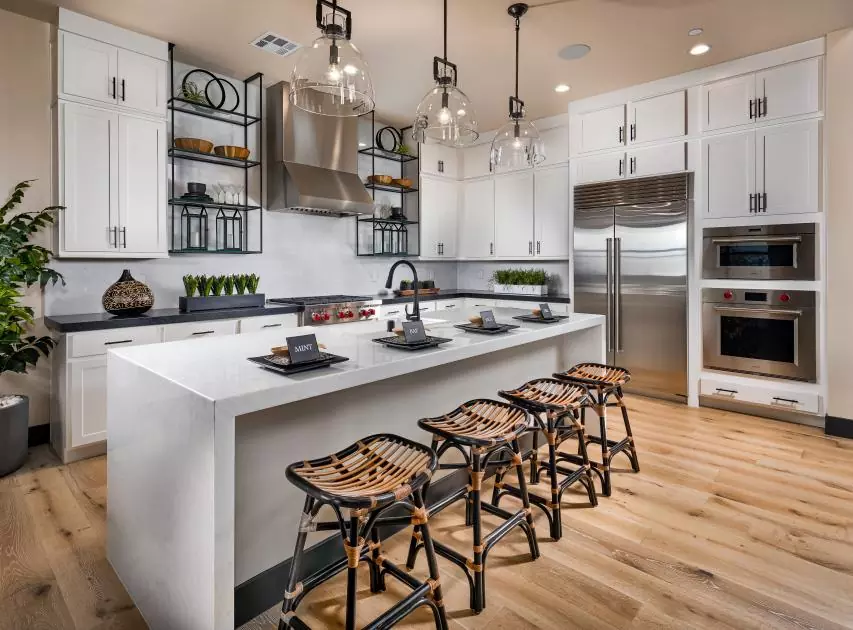
Timing can have a major impact when investing in new construction.
One potential advantage comes from entering a community early. In this case, the investor went under contract before the model home was completed. That created an opportunity to purchase before the neighborhood was fully established and before later phases introduced different pricing.
Builders may also become more motivated near the opposite end of a community’s lifecycle, when they are trying to sell the final available homes. Depending on market conditions, this can create another opportunity for buyers to negotiate incentives or favorable terms.
The surrounding development matters too. Addison Place is planned for 52 homesites, while another nearby community is expected to introduce ranch-style homes at higher starting prices. For an investor buying earlier, future development can provide useful context when evaluating the long-term trajectory of the neighborhood.
Before purchasing a Las Vegas investment property, investors should look at more than the list price. Consider the financing rate, builder incentives, closing costs, HOA fees, projected rent, property taxes, and expected holding period.
Location deserves equal attention. Look at nearby residential projects, commercial development, transportation access, and what builders are planning next. These factors can help investors understand where demand may be headed rather than focusing only on current conditions.
Investors should also compare new construction with resale properties instead of assuming one option is automatically better. The right choice depends on the numbers, available incentives, location, timing, and the investor’s long-term goals.
For buyers who want to invest in real estate in Las Vegas, opportunities are still available, but the approach is evolving. Investors who understand builder incentives, evaluate growing locations carefully, and time their purchase strategically may find opportunities that are easy to miss when looking only at immediate cash flow.