
Buying new construction homes can feel exciting because everything is fresh, modern, and customizable. But buying new Construction in Las Vegas comes with details that many buyers do not consider until they affect resale, comfort, or cost.
Buying new construction in Las Vegas is not just about picking a floor plan and choosing finishes. The lot, builder incentives, inspections, upgrades, and contract terms can all shape whether the home is a smart buy or an expensive lesson.
The biggest mistakes when buying new construction usually happen because buyers do not know what to ask before signing. A beautiful model home can make the process feel simple, but the real decisions happen behind the scenes.
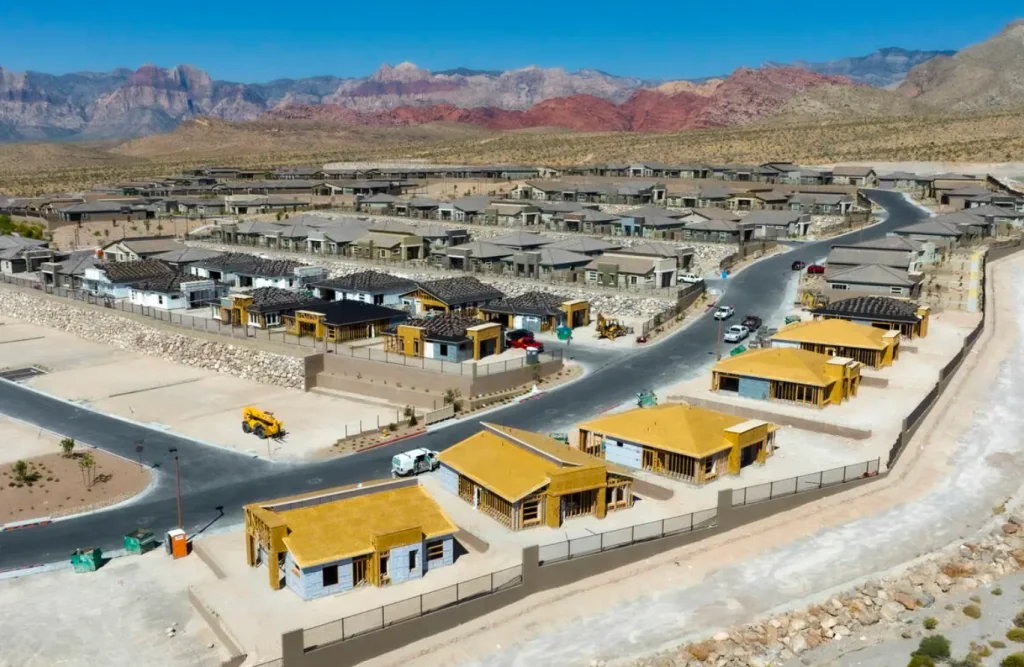
The lot matters more than many buyers realize. In Las Vegas, the direction of the home can affect how comfortable your backyard feels, especially during summer when the sun is intense. Buyers should think about when they plan to use outdoor spaces and how the sun will hit the home throughout the day.
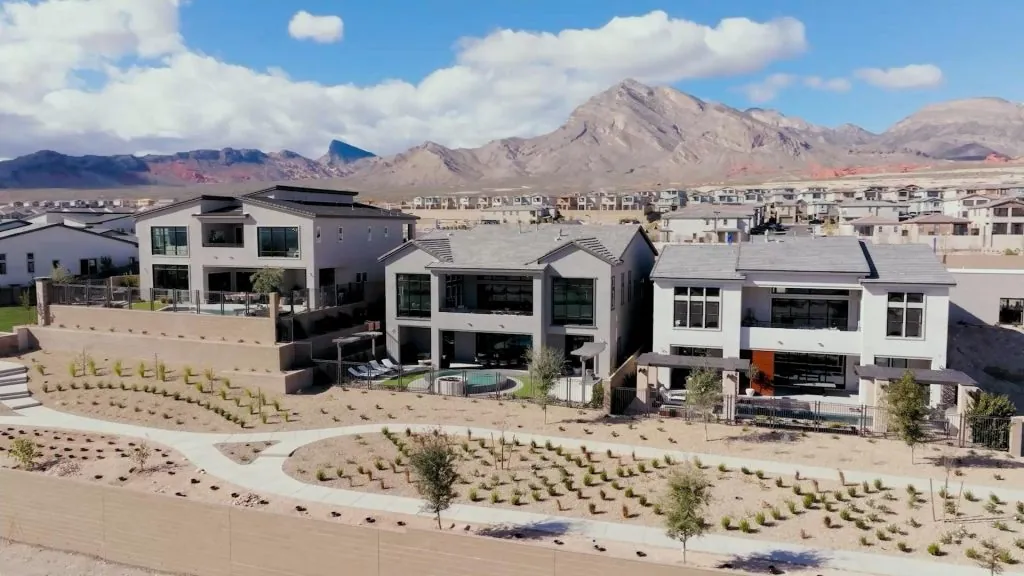
Resale also matters. Lots near traffic lights, electrical wires, main roads, or open land can turn away future buyers. A view lot may sound amazing, but that view could disappear if homes are later built below it. Some lower lots may also come with large walls or neighbors looking down into the yard.
The plot plan shows how the specific floor plan sits on the lot. This is important because a large lot does not always mean a large usable backyard. Sometimes, the extra square footage is mostly in the front or side yard.
It can also help confirm whether there is enough room for a pool. In many cases, buyers need around 18 feet, though 20 feet is better. The plot plan may also show less exciting details, like an electrical box in front of the home.
One of the biggest mistakes when buying new construction is not knowing which questions matter. Buyers should ask about LIDs, SIDs, build time, deposit schedules, design center timing, loan contingencies, and available incentives.
It is also worth asking whether an ARM incentive can be changed to a fixed-rate option. Builder terms can vary, and the right questions can reveal costs or opportunities that are easy to miss.
Many buyers walk into a builder’s sales office unrepresented and assume the posted price is the final price. In reality, buyers may be able to ask for incentives, upgrades, closing cost help, or other concessions.
An agent who regularly works with new construction homes may know which builders are more flexible, where fall-outs are happening, and what similar homes have actually closed for through tax records. That knowledge can make a real difference.
The design center can be exciting, but it is also where budgets can balloon quickly. Buyers should focus first on structural options and hard-to-change features, such as layout changes, extra windows, cabinets, hard surfaces, and sliding doors.
Cosmetic upgrades can often be changed later. In Las Vegas, some upgrades may not make practical sense either, such as real hardwood floors that may not hold up well in the climate. The goal is to spend where it improves function, lifestyle, and resale.
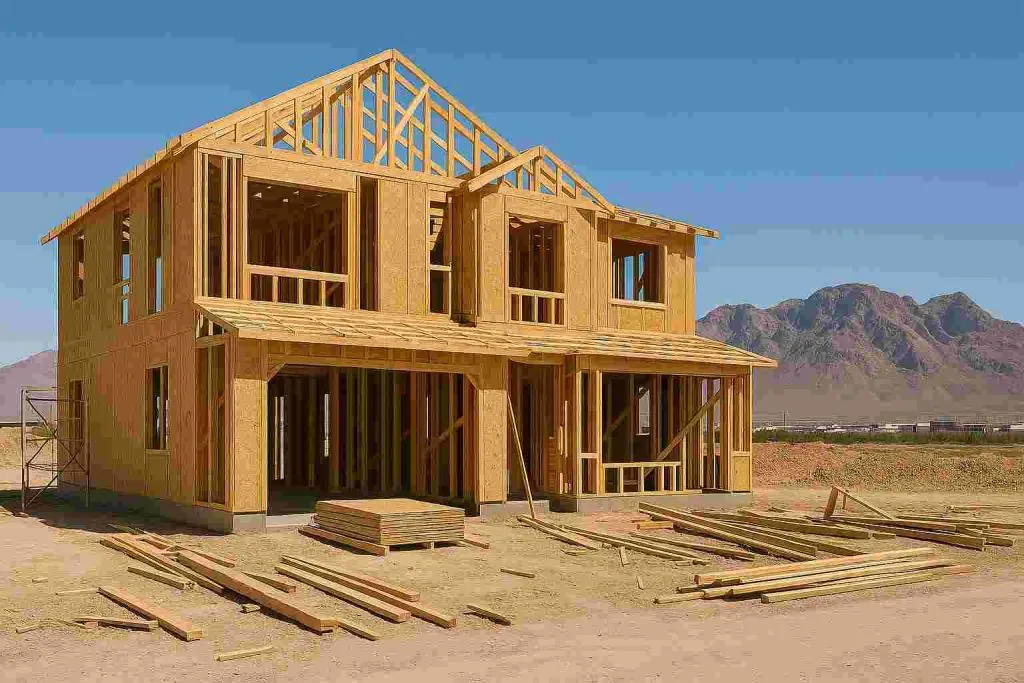
Even brand-new homes should be inspected. A frame inspection can catch issues before drywall goes up, such as HVAC ductwork problems or uneven studs that could later affect the walls.
A pre-walkthrough inspection is especially important. Builders have their own quality control, but an independent inspector works for the buyer, not the builder.
The blue tape walk is the buyer’s chance to point out drywall, paint, cosmetic, and finish issues before closing. This is not the time to feel bad about being detailed.
After closing, warranty departments can be frustrating and slow. It is much easier to push for repairs before the home officially becomes yours.
Buying new construction in Las Vegas can be a great move, but the process is full of small decisions that carry long-term weight. With the right guidance, buyers can avoid costly mistakes and feel much more confident choosing new construction homes that fit both their lifestyle and future resale goals.