
House hunting in Las Vegas can be exciting, especially when online listings make every property look move-in ready. However, attractive photos may hide expensive repairs, strict HOA rules, or neighborhood concerns. Knowing what to examine before making an offer can help you avoid costly surprises.
When buying a home in Las Vegas, it is important to look beyond fresh paint and updated countertops. The home’s major systems, construction quality, lot, HOA, and surroundings can all affect your finances and daily life. These five red flags deserve a closer look during your search.
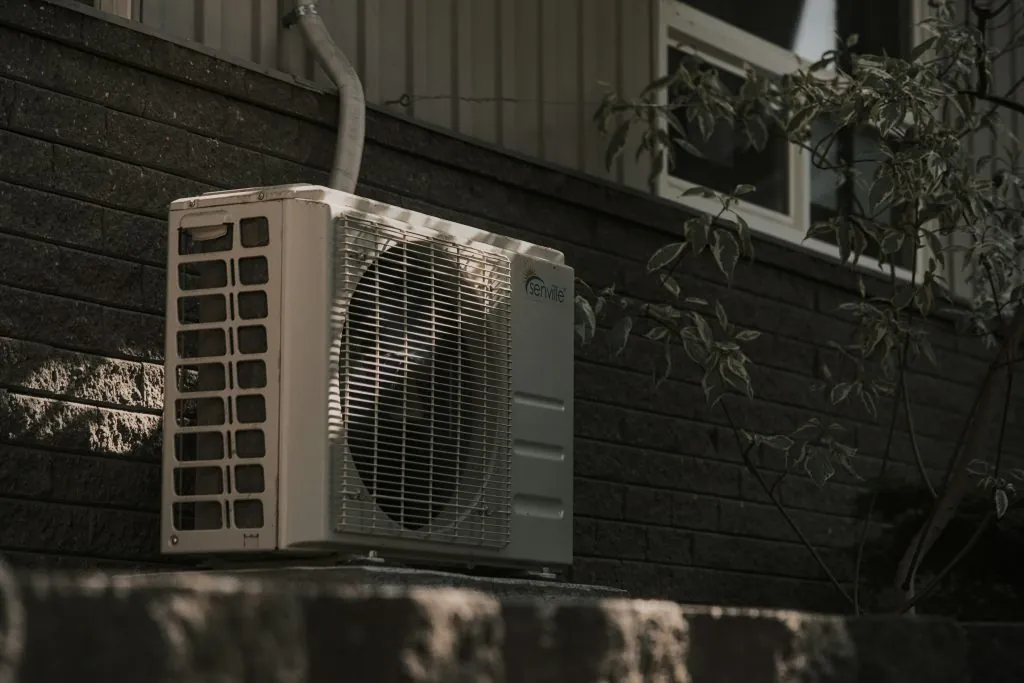
Air conditioning is essential in the Las Vegas heat. An older unit may still work during a showing but could be approaching the end of its useful life. Because replacement can cost thousands of dollars, consider having an HVAC specialist inspect the system during your due diligence period.
Plumbing also deserves attention, particularly in homes built during the late 1990s and early 2000s. Ask about ManaBloc or Kitec plumbing and whether repairs have already been completed. A qualified plumber can identify potential concerns before home buying in Las Vegas turns into an unexpected renovation project.
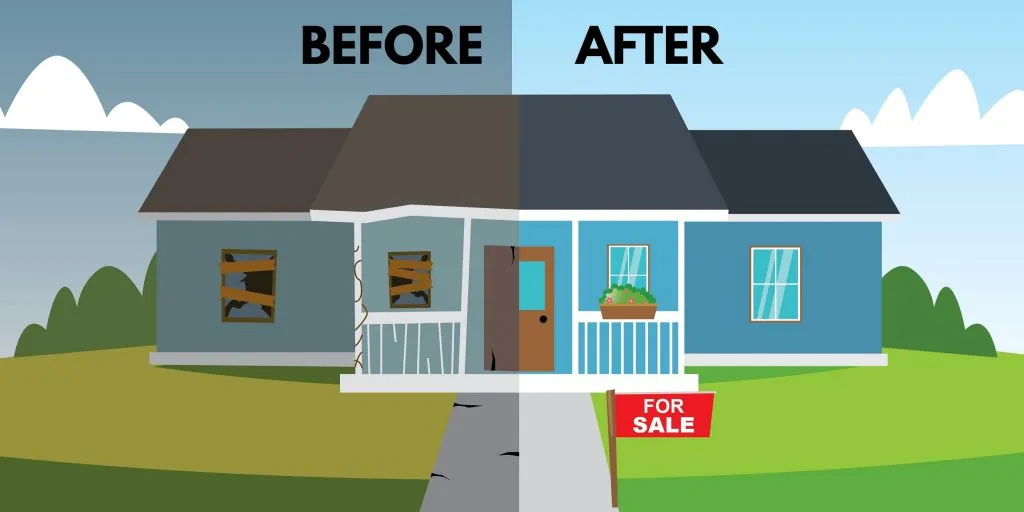
Some renovated homes look impressive in photos but reveal rushed work upon closer inspection. Uneven grout lines, poorly fitted materials, and mismatched appliances can suggest that the seller prioritized appearance over workmanship.
Strong candles or plug-in air fresheners may also be masking smoke, pet, or moisture odors. While house hunting, pay attention to what you smell and examine areas beyond the obvious cosmetic upgrades. If visible work was completed carelessly, hidden repairs may deserve additional investigation.
Small hairline cracks in stucco, walls, or ceilings are common as Las Vegas homes settle. These cracks are often cosmetic and can usually be repaired with texture and paint.
Stair-step cracks or openings wider than a nickel are more concerning. They may point to movement or a structural problem that requires evaluation by an engineer. When house hunting in Las Vegas, never assume every crack is harmless simply because the home otherwise looks well maintained.
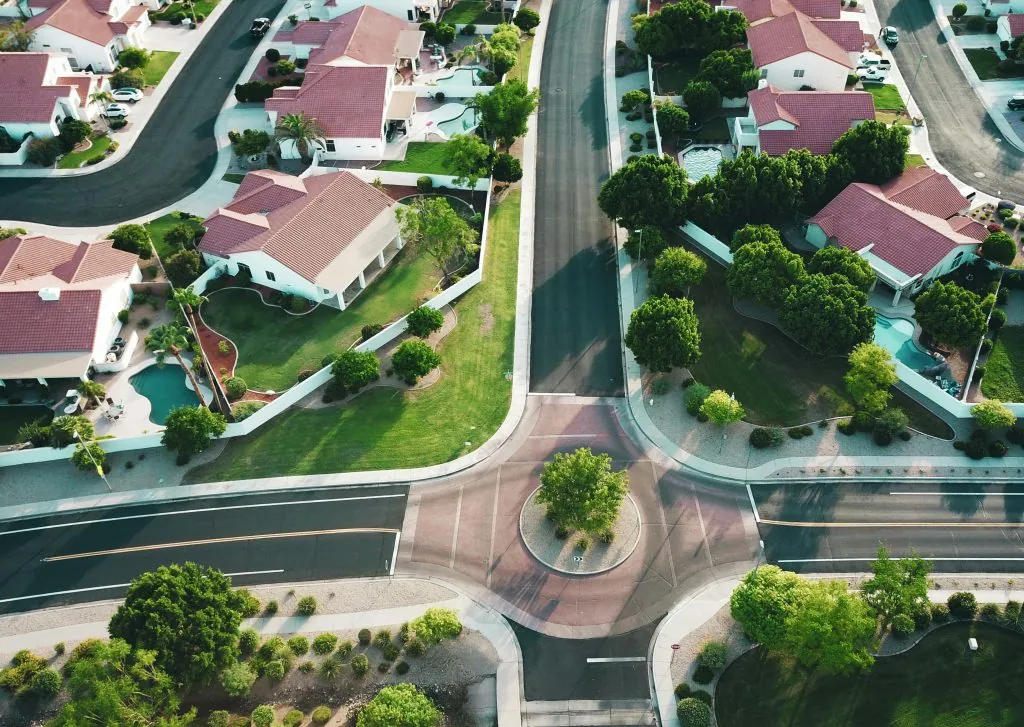
A backyard may look spacious, but setbacks can limit where you install a pool, patio cover, pergola, or outdoor kitchen. Before buying a home in Las Vegas, speak with a contractor about whether the lot can accommodate your plans. Palm trees and other aggressive plants near a pool may also threaten underground piping.
Review the HOA documents carefully as well. Rules may govern exterior paint, landscaping, parking, and backyard improvements. HOAs are not automatically a problem, but understanding their fees and restrictions is a crucial part of home buying in Las Vegas.
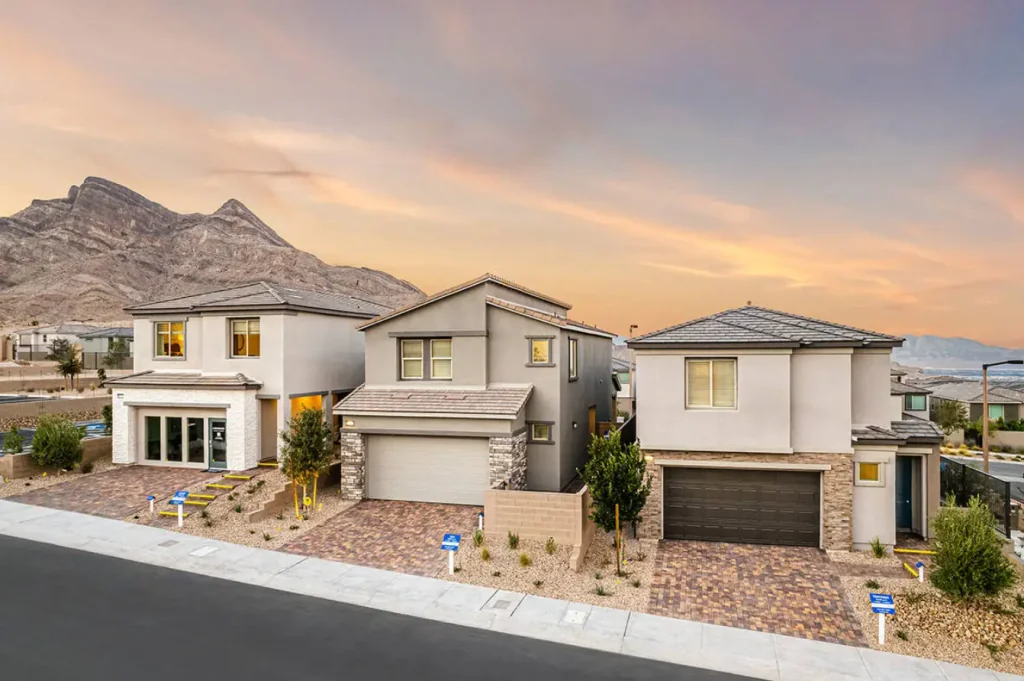
The property itself is only part of the purchase. Visit the neighborhood during the day, evening, and weekend to evaluate traffic, noise, street parking, lighting, and nearby commercial activity.
Check commute times, local amenities, and crime maps for recurring patterns. Online listings rarely show what happens beyond the property line, yet those surroundings will shape your experience long after moving day.
Successful house hunting in Las Vegas requires more than finding a home that photographs well. Inspections, specialist opinions, HOA research, and multiple neighborhood visits provide a clearer picture of what you are actually purchasing. Taking these steps may slow the process slightly, but they can make buying a home in Las Vegas far more confident and less stressful.