
Maintenance, utilities, insurance, safety requirements, and future resale value can all change whether that backyard pool becomes a great investment or an expensive feature you rarely use.
One of the first decisions buyers face is whether to purchase a property with an existing pool or add one later. In Las Vegas, building an average concrete or plaster in-ground pool and spa can cost roughly $65,000 to $100,000 or more. Custom features such as upgraded decking, water features, and raised spas can push the total toward $120,000 to $150,000.
Building also takes time. Excavation, permits, construction schedules, and inspections can stretch the project over several months. New residential pools in the Las Vegas Valley also face size restrictions, so buyers should understand current rules before planning their dream backyard.
By comparison, buying a home with a pool already installed can provide considerably better value. Depending on the neighborhood and property, an existing pool may add roughly $30,000 to $50,000 to a home’s resale value. That means the previous owner may have already absorbed a large portion of the original construction expense.
Existing Las Vegas pool homes may also come with features that would be expensive or difficult to recreate today. Older properties sometimes have larger, deeper pools that were built before current size restrictions. Buyers who want a substantial swimming area may find more options on the resale market.
That does not automatically make an existing pool a bargain. Age matters. Buyers should inspect the plaster, pumps, filters, heaters, decking, and surrounding landscaping. A lower purchase premium can quickly lose its advantage if major repairs are around the corner.
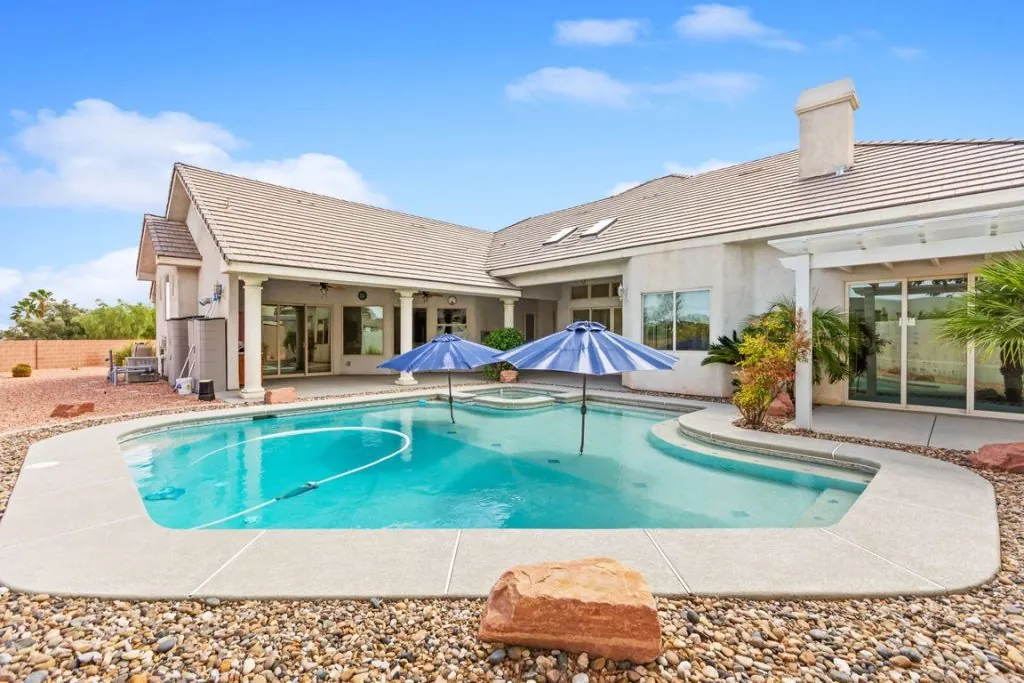
The cost of owning a pool in Las Vegas includes much more than filling it with water. Many homeowners hire weekly pool service because intense sunlight, wind, dust, and extreme summer temperatures make water chemistry and cleaning more demanding. Professional service can run around $125 to $200 per month, with periodic filter cleaning adding another expense.
Utilities also need to be included in the budget. Running a pool pump for long periods during peak summer can add approximately $60 to $120 per month to the electric bill. Evaporation is another factor. During the hottest months, regular refilling may add another $25 to $50 to monthly water expenses.
Heating can dramatically increase the cost of owning a pool in Las Vegas. Using a natural gas heater to extend swimming season into spring or fall may cost several hundred dollars per month. Some homeowners reduce that expense by heating only the spa or using solar heating systems.
Before closing, buyers can request recent utility information from the seller during due diligence. Unusually high water use may also justify an additional inspection for possible leaks.
Before purchasing Las Vegas pool homes, start with a professional pool inspection. Older plaster can chip or separate, while aging pumps and heating equipment can lead to thousands of dollars in repairs. Replastering alone may cost roughly $7,000 to $14,000, while replacing major pool equipment can add several thousand more.
Safety is equally important, particularly for families and investment-property buyers. Pool barriers, gates, door alarms, and other protections may be required depending on the property’s layout and municipality. A removable safety fence can also add $1,500 to $3,500 to your initial expenses.
Insurance deserves attention as well. A pool can increase homeowners insurance premiums, and features such as diving boards may raise liability concerns. Buyers should ask their insurer about higher liability limits, umbrella coverage, and protection for pumps, heaters, and other equipment. A home warranty may offer additional coverage for certain mechanical components.
Finally, look beyond the pool itself. Trees and landscaping near underground plumbing can create problems as roots grow. If you are moving to Las Vegas, reviewing these details during due diligence can help prevent an attractive backyard from hiding expensive surprises.
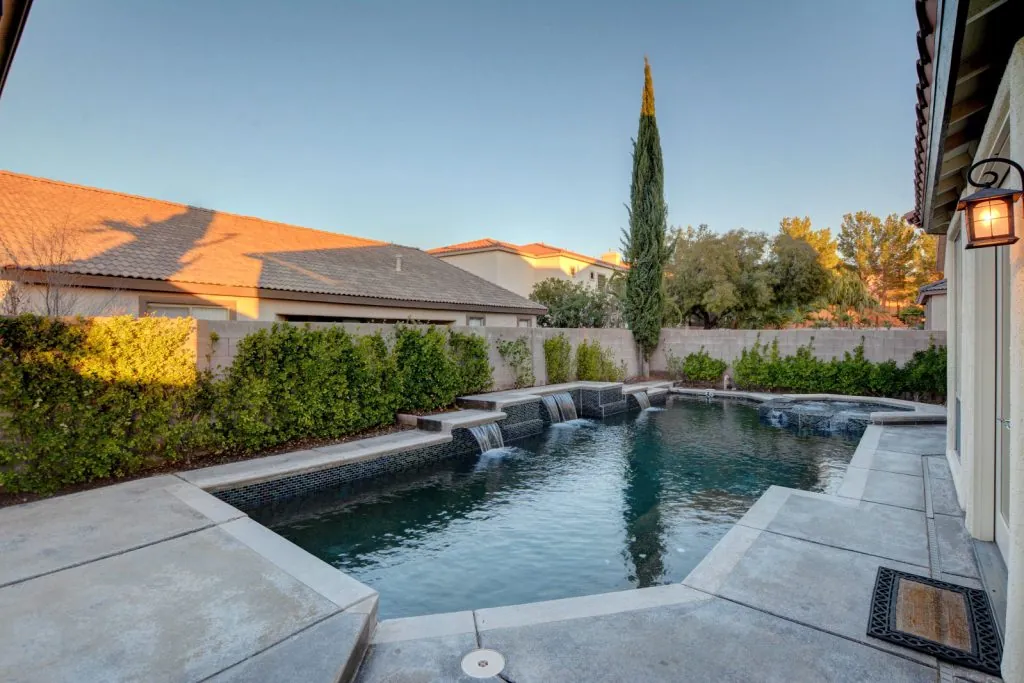
A pool becomes difficult to justify when you rarely use it, buy one with aging equipment, or spend heavily on new construction expecting to recover the cost within a few years. On the other hand, buying a home with a pool can make sense for active households, families with children, frequent entertainers, and buyers who genuinely plan to use their backyard throughout the warmer months.
Location matters too. Homes with well-maintained pools can remain desirable in communities where outdoor living is an important part of the lifestyle. The best value often comes from buying an existing pool in good condition, completing a thorough inspection, understanding the ongoing expenses, and choosing a property you intend to keep long enough to benefit from overall home appreciation.
Ultimately, Las Vegas pool homes make the most financial sense when the pool matches both your lifestyle and your long-term plans. If you will use it regularly, choose a high-demand location such as Summerlin or Henderson, and account for ongoing costs before closing, that backyard pool can offer both everyday enjoyment and stronger long-term value.