
From protecting the property while you are away to understanding HOA restrictions, planning can make second-home ownership much easier.
A second home works differently from a primary residence, especially if you only plan to use it for part of the year. The property may sit vacant for weeks or even months, so buyers need to think beyond location, layout, and amenities.
Before purchasing, consider how the home will be monitored and maintained when you are away. You should also review insurance requirements and community rules carefully. Taking these steps early can help you avoid unexpected costs and make it easier to enjoy the property when you return.
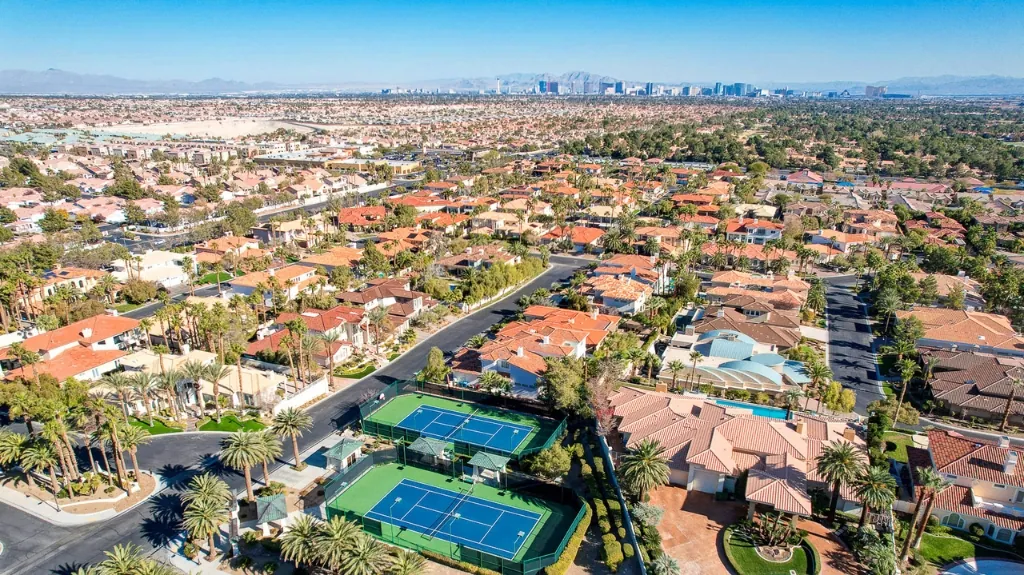
Security is often one of the biggest priorities for second-home buyers. Gated communities can offer an added layer of privacy, while guard-gated neighborhoods may appeal to buyers looking for more active security.
However, not every guard-gated community provides the same services. Review the HOA documents and find out whether the neighborhood offers roaming patrols, monitored entrances, or other security measures.
Smart-home technology can also help you monitor the property remotely. Security cameras, door sensors, and smart locks allow homeowners to check on their home from almost anywhere.
A Las Vegas home still requires regular attention even when nobody is living there. Pool maintenance, landscaping, plumbing, and HVAC systems all need to be considered when planning for extended time away.
One particularly important issue is air conditioning. Las Vegas temperatures can climb above 110 degrees during the summer. Completely shutting off the HVAC system may expose furniture, electronics, flooring, and other materials to extreme heat.
Remote thermostats, leak detectors, and smart water shutoff systems can help second-home owners monitor conditions from a distance. Arrange regular property checks so smaller issues are caught before they turn into expensive repairs.
Homeowner’s insurance is another important part of buying a second home in Las Vegas. Insurance providers may treat a property differently if it remains vacant for extended periods.
Before closing, explain to your insurance provider how you plan to use the home and how often you expect to stay there. Ask whether your second home needs special coverage or extra protection while it sits vacant.
Water damage is another concern worth discussing. Installing leak detection devices or an automatic water shutoff system may help reduce the risk of a major claim while you are away.
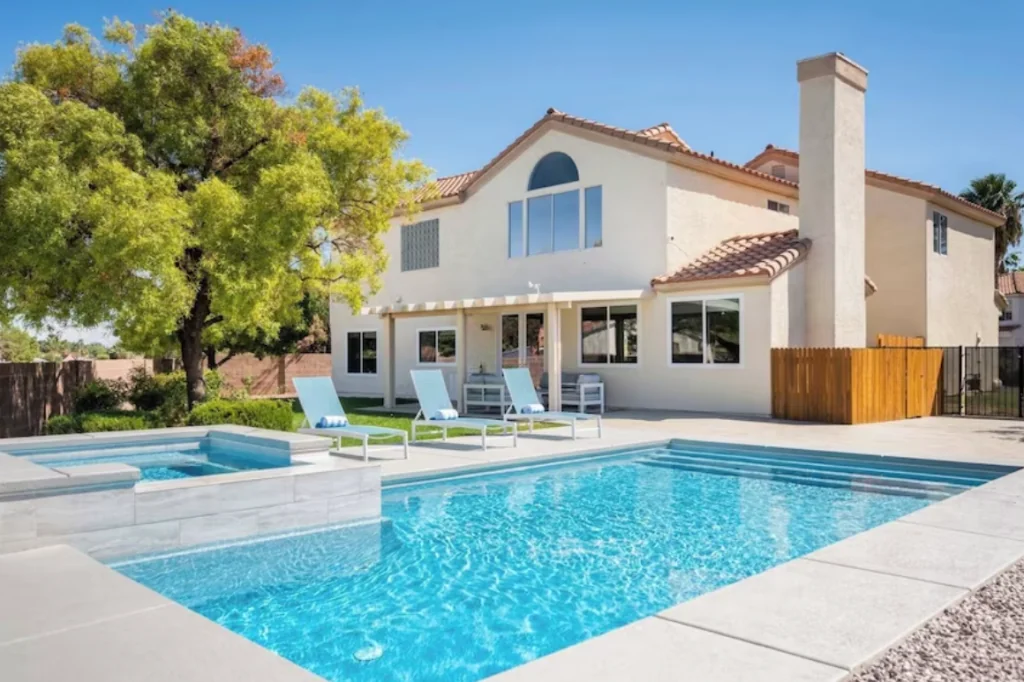
HOAs can help second-home owners because they maintain common areas and set neighborhood standards. However, buyers should understand the rules before committing to a property.
This is especially important if you plan to rent the home when you are not using it. Many Las Vegas communities have minimum lease periods or restrictions on short-term rentals.
Read the HOA documents carefully before purchasing. Look at rental policies, maintenance responsibilities, fees, security services, and any other rules that could affect how you plan to use the property.
Ultimately, buying a second home in Las Vegas is about finding a property that works both when you are there and when you are away. Choosing the right community, planning for ongoing maintenance, and understanding the financial and HOA requirements can help turn a seasonal getaway into a home you can comfortably enjoy for years.
Are you buying, selling, or investing in Las Vegas real estate? Schedule a FREE consultation today!